Category Archives: Featured

With March Madness Here, FanAngel Rolls the Dice On Funding Athletes

With March Madness Here, FanAngel Rolls the Dice On Funding Athletes
By Joe Favorito @JoeFav
 Pay for play has been a popular theme in the debate over college athletics, but pay for stay?


Another of those seem like a good idea platforms has arisen in the past few weeks to somehow try and solve the issue of keeping elite athletes in school. It is a crowdfunding site called FanAngel which will allow fans to anonymously contribute to pay college athletes to stay in school through donations that are given to the athlete when his or her eligibility expires.


According to an ESPN.com story, founder Sean Fojtik said that when a fan commits a pledge to an athlete, that money is immediately taken out of the account. Eighty percent of the money will be held for that athlete if that athlete does choose to stay in school, 10 percent will be given to that athlete’s teammates, and 10 percent will be earmarked for charity and scholarship funds. The money is given to the athlete when that athlete’s eligibility expires. FanAngel’s revenue source would be to take a fee, as much as nine percent, from the donation to help facilitate the fund.


While the site says it will steer clear of NCAA rules with regard to mentioning names, many have argued that the site would create an unfair advantage for big schools and marquee names, easily creating an unfair advantage. And although the site is anonymous with regard to where the funds could go, corruption could easily ensue. The story also says that there is no way for athletes to contact the  company or crowdfund on their own through his site, although we are talking enterprising young people and deep pocketed donors, which can be a lethal mix in many cases.


Is the idea a low risk, high reward play for the creators, a legitimate solution to help solve the one and done rule, or a symbol of much that is wrong with college athletes, where big schools find big donors with big ways to circumvent the rules? For one thing it is creative, but as we have seen in the free market, the only way for it to work is to pull big dollars from anonymous sources, while the NCAA watches very closely.


Fan Angel gets high marks for buzz and creativity. Whether it translates into a legit business solution is anyone’s guess and some people’s gamble.

Kentucky’s Unbeaten Season Makes Vegas Squirm

Kentucky’s Unbeaten Season Makes Vegas Squirm

Kentucky Wildcats Head Coach John Calipari


(Bloomberg) — The University of Kentucky’s undefeated regular season has Nick Bogdanovich sweating. If the Wildcats don’t lose this year, his employer will.The director of trading at sports book operator William Hill U.S., Bogdanovich in July listed 50-1 odds that the Wildcats would win a national title with a perfect 40-0 record.

He took about 10 bets at that price before narrowing the odds, which fell all the way to even money as Kentucky rolled through its regular-season schedule. With the 31-0 Wildcats scheduled to take the floor again this week in their conference tournament — and the National Collegiate Athletic Association tournament after that — William Hill is facing a high six-figure loss on that offer if Kentucky runs the table.

“We’ve got quite a bit of danger on that go-undefeated prop,” Bogdanovich said in a telephone interview. “Not seven figures, it won’t reach that high thank goodness.”


Read more at Bloomberg.com see here

PERSONALITY CORNER: Tim Rooney Sr.

PERSONALITY CORNER: Tim Rooney Sr.

By Frank Scandale@FScandale


Age: 76

Title: President of Yonkers Racing Corp and Empire City Casino.

Former Life: Part owner in the Pittsburgh Steelers

Duties: “Keep everyone in line and make sure expenses are under control.”

Favorite Sports Moment: “Very easily, when we won our first Super Bowl.”

Favorite Family Moment: “ Ha. Reviewing it, it has to be the same moment because of the family involvement. Unbelievable.”

Most Admired Person: Wellington Mara. I knew Cardinal (Terrance James) Cooke, but as a regular human being, Wel Mara was special.”

Favorite Golf Spot: Winged Foot Golf Club, Mamaroneck, NY.

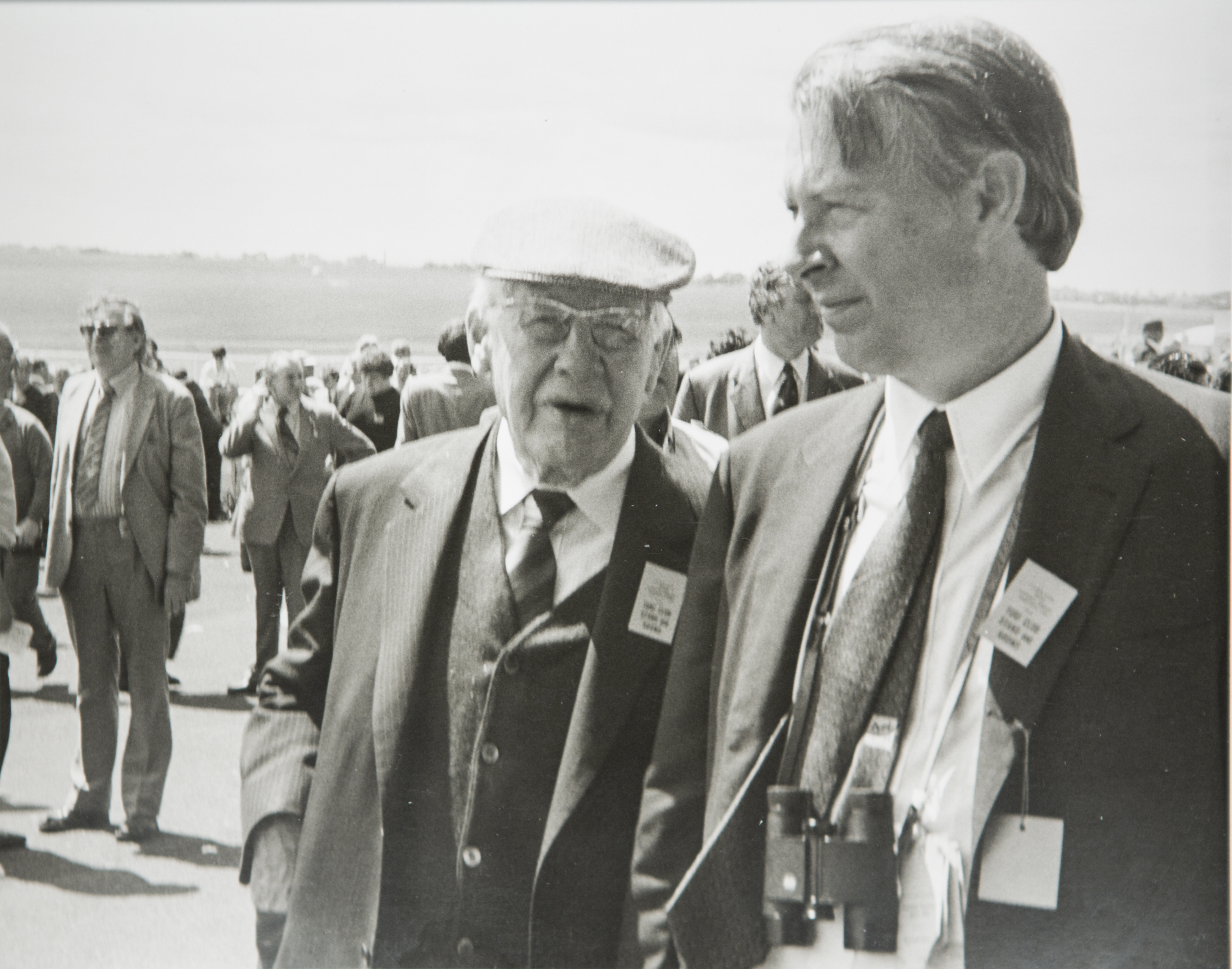
ART ROONEY AND TIM ROONEY AT RACETRACK

Even a guy who used to co-own one of the best NFL teams in a city that saw its share of horrendous winters and can’t avoid talking about this winter’s hottest topic – the weather.


Relentless sub-freezing temps, snow and lingering ice have made 0 degrees the new 32 in the Northeast and its effects have not have escaped Tim Rooney Sr. and his operation at the Yonkers Raceway Corp. which also operates the Empire City Casino in the shadow of New York City.


This became the second consecutive winter when the region took it on the chin.


“Last year, the first quarter hurt dramatically against the same quarter in 2013. When the weather hit, we were down, but we came back up at the end of the year.  January (2015) started off fairly strong, but then the bad weather even supplanted the weather from the last year!” Rooney laughed. “We came back again and were up every day until last Saturday when that 5 inches of snow hit us. We had the accounting department check how many days we had under 25 degrees or snow and we are double the number of bad days this year compared to last year.”


Weather is only one of the factors that determine how the casino and harness racing business will go for Rooney. The competition and proliferation of brick and mortar casinos and online betting made his days as a football team owner seem orderly.


In a wide-ranging interview, the gregarious Rooney touched on football, gaming, horse racing, online gambling, his family and golf.


The Rooney name has been synonymous with professional football since 1933 when Art Rooney Sr. founded the Pittsburg Steelers for  $2,500. Tim and two of his four brothers were forced to sell their shares in 2009 in the team because the National Football League’s concerns about the family’s other business interests in gambling entities. The move was painful for Rooney for many reasons, not the least of which is passion for the pigskin despite his love for horses.


“Well, there is no comparison. My father was in the business (racing) his whole life, but football is football.


He likes to say his favorite sports moment was the first time the Steelers won a Super Bowl, Super Bowl IX in 1975. “Nothing possibly comes close. They were all good (wins) but there is no emotion ever having equaled that first one.”


When pressed about his favorite family moment – he has five children and 19 grandchildren – he laughs and hesitates, saying, “I probably shouldn’t say this, but it might be the same moment because of the family’s unbelievable moment (together)…winning the Super Bowl was unbelievable.”


So much has changed now with respect to sports and gambling, but Rooney wishes the NFL then had allowed them to hold their shares.


“When we were closing in on the sale, I honestly did not want to sell my stock in the Steelers. My father had done this (racing) long before this and we had been running the team in this manner,” he continued. “On the other side, my brothers who stayed in will be a lot wealthier, especially when Buffalo sold for $1.4 billion.”


Despite his love of football, he says he does not attend games anymore. Too easy to stay home and watch it on television, he says. He used to fly to Pittsburgh on Saturday, have dinner with his brothers that night, go to the game and fly home on Sunday night.


Today, his focus is on Yonkers and Empire with his son Tim Jr. and son-in-law Bob Galterio. With casinos popping up all around the Northeast and siphoning off potential and former customers, Rooney says the trick is to keep reinventing and innovating. Rooney, in fact, hinted that Empire would unveil something new soon along with a strong advertising campaign.


“We’re going to try out some new things this year, a little more refreshing,” Rooney, now 76, said. “We have a new ad campaign coming out at the end of February or so. It’s more of a return to a stronger campaign on TV.”


The table games at fully licensed casinos has been a draw for some players, he said, but New York State’s upcoming budget has a provision for Empire to receive a higher quality electronic table game, something Rooney insists will level the playing field somewhat. The legislature still has to approve it, but he is optimistic that will happen.


“Our facility is very good. We just opened another restaurant and put a lot of money into our food business. Two of the three restaurants are doing very well. But the biggest thing we have coming is that part of Governor Cuomo’s budget is to give us a higher quality of electronic table games, one of which is blackjack. “


That looming boost and the weather’s inevitable improvement has Rooney eyeing a 5 percent improvement in 2015. “I think we will be up a couple of million dollars this year.”


The real issue down the road is becoming a fully licensed casino when New York State allows those businesses in the metro region to apply. Under the state’s gaming law, New York City and its surround suburbs, including Yonkers, are prohibited from receiving any casino licenses for at least seven years, according to a story in the New York Daily News last December.


“We’d be looking to get one of those new licenses,” Rooney said.” Basically if we had a license now, we could open immediately.”

That would complement Rooney’s operation that features approximately 6,000 electronic machines now. “For us not to get a license would be hard to imagine.”


For now, the only non-tribal casino licenses will be located further upstate, which Rooney believes will not impact business.


The other big issue looming on the horizon is online gambling and sports, a mounting issue as prominent figures such as current NBA commissioner Adam Silver and his predecessor David Stern call for legalized sports betting outside of Nevada.


For Rooney, it’s a complicated issue, while he knows there is so much betting now in sports. According to the American Gaming Association, the estimated amount bet illegally on the recent Patriots-Seahawks Super Bowl game was said to be approximately $3.8 billion, compared to approximately $100 million bet legally.


“The only question I have for it and somebody smarter than me can figure it out is when a guy makes an unbelievable catch in the game and then later on an important third down drops the ball, everybody is suspicious of everything that happens. Is somebody going to ask if he dropped it on purpose?


He recalls the days at the track when people were betting heavy on sporting events at the pay phones, back before cell phones existed. “If you go out and see the pay phone lines, all I can tell you is that they are not calling home to find out what’s the wife is making for dinner.”


Today, the game is more interesting and exciting for a wider ranger of people.
“If say Denver is playing Seattle and you don’t have an interest in either team, I don’t care who wins the game, but people watch them because they are betting on the game. That is really part of the popularity of the game.”


When the snow finally melts in the East, you’ll likely find Rooney relaxing on a golf course, one of his favorite other sports. The mere mention of golf gets him going about Tiger Woods, the stalled champion nursing injuries and a bruised mental game.


“Tiger Woods. When you looked at his position, the only other guy who dominated a sport like Tiger was maybe Michael Jordan. Not Bradshaw. Not Manning. None of them was a dominating in their sport as Woods.”


He recalled how small the purses were in comparison to today’s average first-place prize money being way north of $1 million, and cited his family’s own tournament, The Philadelphia Golf Classic back in the 1960s.


“We had this match, we owned it, sold the tickets, everything. The purse total was $150,000. That was tied for the biggest purse on tour at that point,” he explained. “In our tournament we got lucky. (Jack) Nicklaus and (Arnold) Palmer tied and went into a playoff. It’s the only thing that got us to break even.”


Devils, Sixers Co-Owner Bullish On Gambling

Devils, Sixers Co-Owner Bullish On Gambling

by Joe Favorito @JoeFav
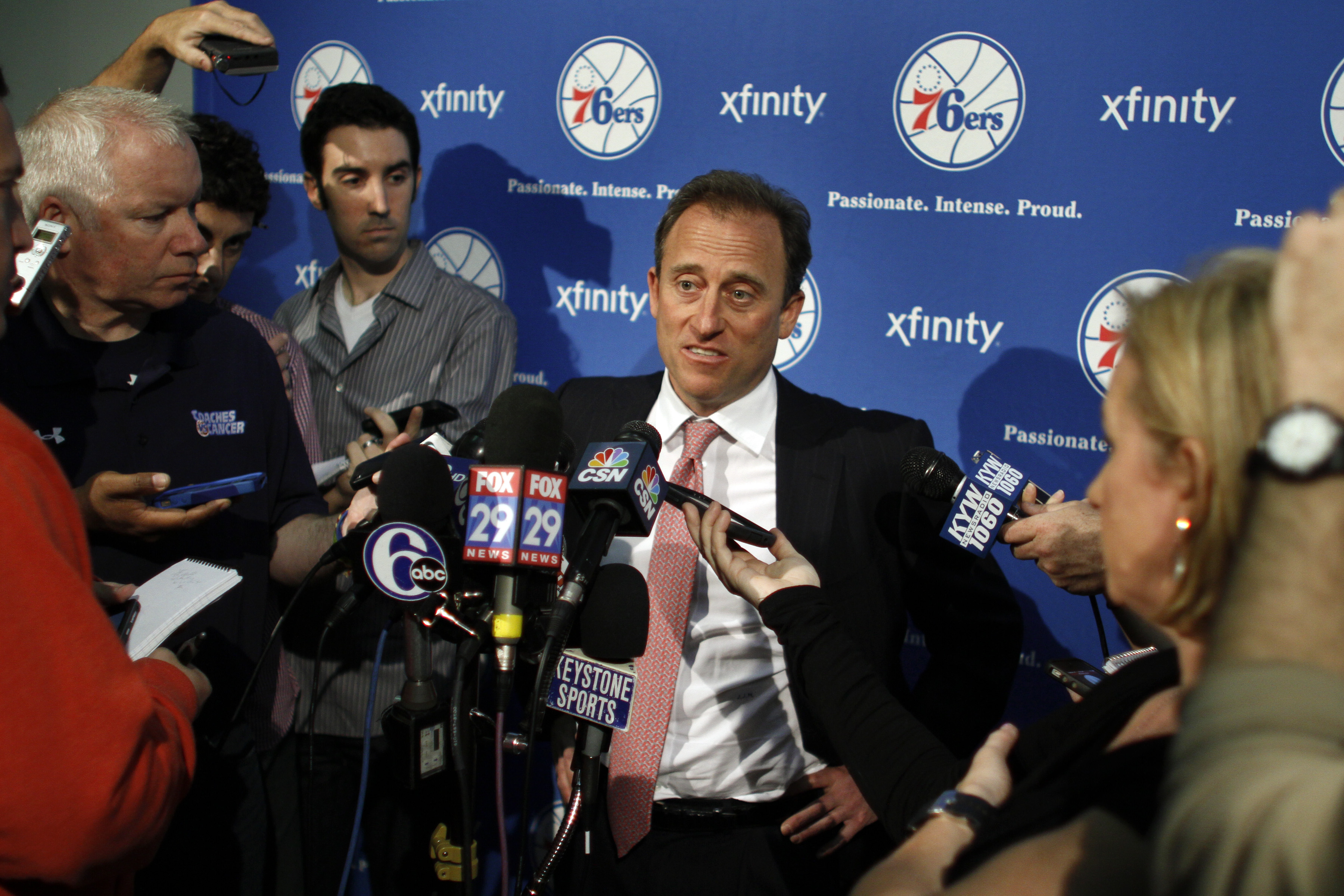
It hasn’t been the easiest of years on the field and ice for Devils and Sixers co-owners David Blitzer and John Harris, but neither has lost their enthusiasm for the business and both are bullish on the future of sport, especially their two currently suffering franchises.


This week at the Leaders in Sport Conference in New York, Blitzer touched on one of the hottest topics in sports; gambling, and where it may, or may not end up in the sports landscape as New Jersey wages an ongoing battle in the courts to have law overturned that prohibits sports betting outside of Nevada. Both the Devils and the Sixers were first adopters in taking on an online poker site as a sponsor, and earlier this year New Jersey became the first NHL club to bring in a daily pay fantasy partner to test those waters as well. “I have felt for a long time that ultimately – gaming, let’s call it, in sports – should be regulated and taxed,” he said. “I just feel like more information – I actually think one of the arguments against [full legalization], the ‘integrity of the sport’ question – that having it more out in the open rather than sort of being underneath the floor will actually enhance that [maintaining the integrity of the league] rather than degrade it. That’s been my view for a long time. When it comes and how it comes, I don’t know.”


This past weekend at the MIT Sloan Analytics Conference MLB commissioner Rob Manfred admitted that baseball will take a look at the options on gambling as well, but will also follow the proposal that NBA commissioner Adam Silver has put forth, with a federally-mandated program vs. a state by state approach which many feel would be unmanageable and fraught with issues.


“That’s a whole different question, what the business model eventually looks like,” Blitzer added. “But clearly if one is providing the content, should they at least be ‘in the value chain,’ let’s call it. That’s something for people to argue about in ‘x’ number of years. But I’m sure the leagues will be some part of the value chain.”


He also chimed in on the growth of sport abroad, both for the NBA and the NHL. “I truly believe that the NBA has the ability to be the highest-growing international business over the next decade,” he added. “Managing that growth is not easy. It’s very different managing a business in Asia or Europe than it is in America. To manage that in the right way, on a variety of continents, is going to be interesting. I think they will succeed.”


In order to keep the coffers humming, it is thought that legalized gambling will be a key growth component, some feel second in revenue only to broadcast rights. That is why teams are constantly testing the waters for revenue streams that are currently legal like pay fantasy, and that teams on the bottom looking to innovate, like the Devils and Sixers, are the ones pushing the envelope open more.


Full credit to John Brennan of NorthJersey.com. Certain quotes used from his 1-1 with David Blitzer.

Wagering On Baseball? MLB Comish Manfred Open To Talking

Wagering On Baseball? MLB Comish Manfred Open To Talking
by Joe Favorito @JoeFav
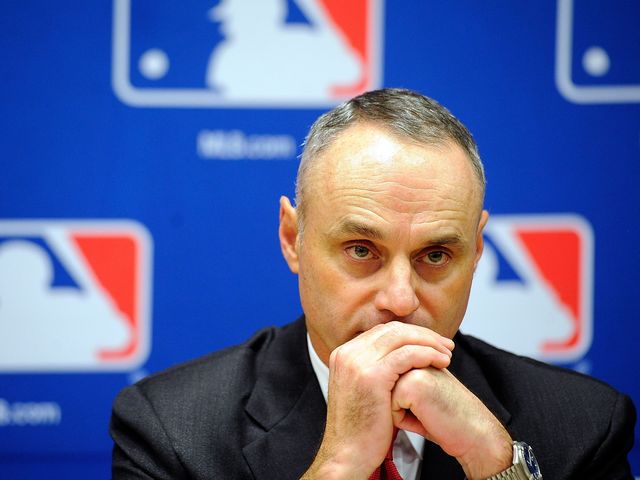
Rob_Manfred_1423224883393_13111093_ver1.0_640_480
Sports in the United States and the relationship with some form of advanced gaming and gambling continue to do a very slow and seductive dance toward an eventual plan, and the gyrations continued all weekend at the annual MIT Sloan Analytics Conference, the ever-evolving stats geekfest that this year drew over 3,000 media personalities, innovators, entrepreneurs, visionaries and business leaders to the Boston Convention Center for two days of stats filled discussion and debate.
It was the largest-ever gathering for the conference, the brainchild of two MIT grads, now Houston Rockets now GM Darryl Morey and  VP of Customer Marketing & Strategy, The Kraft Sports Group Jessica Gelman, who saw the continued confluence of analytics and  data into every aspect of sports business, and as that area of evaluation and innovation has grown, so has the event.
While wearable tech, wireless devices and every form of statistical breakdown was on the docket, the issue of gambling as a new frontier was a constant subject when the biggest of the big, NBA commissioner Adam Silver, MLS commissioner Don Garber and MLB commissioner Rob Manfred all took the stage at various times. While Silver has been the out-front champion of acknowledging and then finding ways to adapt some form of legalized national wagering, it was really Manfred in his new role that had the most to say on the issue in a Friday conversation with MLB Network Brian Kenny. In years past, especially under former commissioner Bud Selig, the notion of anything progressive with gambling and baseball would never have even been part of the conversation.  But baseball’s latest leader has taken a more progressive and outspoken stance on several topics, from international play to the speed of the game, and the “someday” notion of legalized gambling seems to fit the bill.
“In terms of the ‘away from the field’ issues associated with the legalization of gambling – I think that enough has happened out there that it’s incumbent upon me and my staff to take to the owners the developments in this area, to have a conversation about some of the rules that go beyond the play of the game on the field that we’ve had traditionally in baseball and revisit those,” he said during the conversation.
He later told CNBC that the gambling “landscape is changing very quickly” but that no one should expect “players or on-field personnel” betting on games anytime soon. Manfred admitted again that  the “industry will have to take a hard look at” the larger issue of legalizing sports gambling and went on to praise Silver for taking the leadership role in the conversation and driving the talk to see if there is a Federally-controlled system that all sports would participate in going forward.
The great irony in such a discussion Manfred pointed out, is that the actual office he now holds is a product of the 1919 Black Sox scandal which has forever changed the face of gambling on baseball. Judge Kenesaw Mountain Landis was appointed by the owners to basically keep themselves and the clubs in line when it came to the integrity of baseball, and the sport has had a zero tolerance rule ever since when it came to gambling and baseball of any kind, with the Pete Rose case still being the greatest challenge to the issue of gambling and baseball.
The other irony is that baseball’s long standing preponderance with numbers has actually given rise to much of the conversation on gaming and sport in America today, starting with the advent of what was then Rotisserie Baseball and is now full-fledged fantasy baseball, and then moving on to the concept of “Moneyball” and the new era of detailed analytics in sports. Without baseball and its analytic preponderance, who knows where all this talk would be today.
Now where legalized wagering goes in the near future is anyone’s guess. Later in the weekend a panel hosted by ESPN The Magazine editor Chad Millman had the consensus that legalized federal rules on sports gambling is probably four and a half to five years away, but the growing opportunities in daily pay fantasy games for all sports, including baseball (where MLB.com has a minority stake in the uber site Draft Kings), continue to escalate with each passing week. No less than ten companies with some sort of fantasy attachment were on display at MIT, with hundreds more wannabees roaming the halls.
What was clear from Manfred’s comments with regard to legalized sports wagering is that he, like Silver, see the potential opportunity in the future and are willing to examine and publicly discuss the risk and the reward. In a world where teams are constantly battling for other new areas of revenue to offset the rising costs of doing business without continuing to zap the fans pocketbooks, baseball and legal gambling may make for strange, but smart bedfellows down the line, especially now with a commissioner willing to engage in the discussion for the first time.

The Olympic Gamble Arrives…

The Olympic Gamble Arrives…
by Joe Favorito @JoeFav
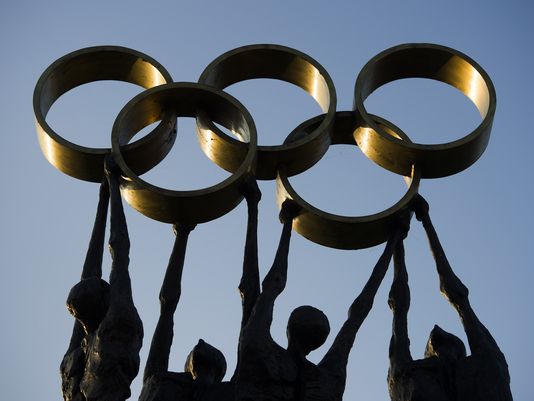
635564984337198165-AP-Switzerland-IOC
The past few weeks have been another whirlwind of activity around the fantasy sports and gaming space. There was the news that European soccer clubs like FC Barcelona were embracing pay fantasy sports more and more, a host of pieces on FanDuel and Draft Kings reporting record quarters for engagement amidst massive marketing, the Fantasy Sports Trade Association held its annual winter meetings, New Jersey politicians continued their amplified fight to bring sports wagering to the Garden State and other places still on the outs with Federal Law, and oh yeah, the State of Nevada finished the process to allow sports wagering on the Olympic Games.
While most of the news was part of the escalating dialogue in the value of fantasy sports as a revenue driver and engagement barometer for casual fans, the Olympic push was a relatively new salvo fired into the sports and gaming world. While it is somewhat ironic that Nevada, the state where lobbyists spend big bucks to keep Federal laws blocking other states to engage in sports wagering, is looking to increase the opportunities on global sport, would look to add international and potentially obscure sports to its wagering platform, the reality is that the petition shows just how much global fantasy and gaming is gaining steam, and consumers are getting more used to gaming as a regular part of their engagement experience.
The Olympic question is interesting for many reasons. The statue right now does not allow wagering on the Games because of “amateurism” and the use of judges who could influence votes, yet there are as many as seven countries in Europe where Olympic wagering is allowed, with no discernable issues. There is also the growing blurring of what is considered amateur in a world where the Olympics have become much more high tech, much more expensive, and much more subsidized by brands and events where athletes get paid…and rightfully so. The amount of security spent on The Games these days’ accounts for all kinds of monitoring in the digital space, so the thought of even more corruption being brought into The Games because of wagering seems to be becoming more and more of a non-issue.
The real intriguing aspect for Olympic gaming is on the fan engagement and revenue side. The IOC is constantly looking to engage a younger audience, one which is digitally savvy and is accustomed to finding new ways to be involved with whatever event they are watching or experiencing, whether that is in entertainment or sport. The gamification of The Games, one where you can, either for dollars or points, better follow athletes and the goings on in sports big and small from hundreds of countries, raises the value and the consciousness of The Games beyond what is done today. On the revenue side, the IOC, always looking for new streams of revenue, can reap huge licensing fees for data to companies who would engage in Olympic gaming and fantasy, an area which professional sports from the Premier League to the NBA and the NHL, are realizing today.
Like with all fantasy and sports wagering issues going on today, for Nevada this will be less about a brick and mortar engagement (although it wouldn’t hurt to have more consumers in a sports book during the dog days of August watching the Rio Games) as it is a play to grab more of the fast-growing global digital space.
The digital gaming space, as the NBA and NHL have now acknowledged with their team and league deals with Fan Duel and Draft Kings, is where the real dollars will be made going forward, and the ability to have that space as an offering to casual Olympic fans makes great sense. Rest assured the major leagues in North America will continue to watch the developments with Nevada and the Olympics, as gaming and gambling continue to be a lucrative, enticing and still controversial engagement point for all.

Harness Racing Jockey Hits Milestone

Harness Racing Jockey Hits Milestone


By Frank Scandale @FScandale


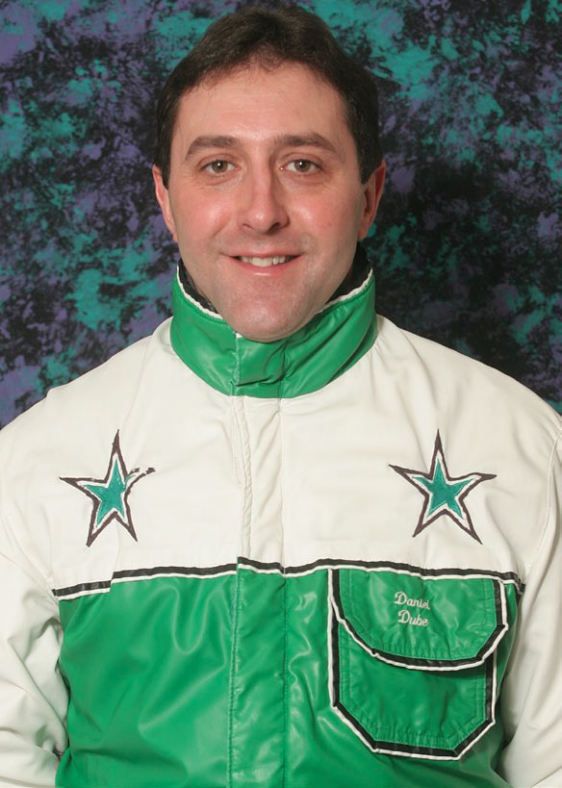
Profile: Daniel Dube

Occupation: Harness driver

Born: 06/08/1969

Birthplace: Quebec

Resides: Millstone, NJ

Height: 5 feet 7 inches

Colors: Green-White-Black


When you reach a key milestone in your racing career, how do you motivate yourself for the rest of the rides?


Dan Dube, a French-Canadian harness racer who has been racing at Yonkers Raceway in New York this winter, now has the answer to that question as he reached a coveted 8,000-career victory plateau at the end of February.


“You always do your best. It is fun to win races. But when you are young, you want to just win races, but when you get a little older, you see the purses and that helps push you,” Dube answered with laughter.


Dube, now 45, He doesn’t discount that 10,000 wins are possible. “Yes, having a good purse, that is certainly motivation. But all the races are special.”


Taking time out in between races this week, Dube spoke briefly about his career, saying he started racing as a teenager, maybe 13 or 14 years old, having been trained by his driver-trainer father, Leo. When he turned 18, he joined the professional ranks and has not looked back since. Six years after he began in 1993,he won trainer and driver of the year awards at Hippodrome de Quebec and the Roger White trophy as the outstanding trainer in the province of Quebec. Dube continued to add awards, including in 1999 when he captured his first driving titles in the United States as he was the leader at the now-defunct Garden State Park in Cherry Hill, NJ, in both wins and earnings and was the top driver at Yonkers.


He reached his 8,000th win on Thursday night, Feb. 26, when the temperature was a relatively balmy 21 degrees, compared to some single-digit temps earlier last month.


He achieved the half-mile oval win behind a pacer named Clem in the eighth race of the evening, leading wire to wire, stopping the clock at 1:56 and rewarding his backers with a handsome $22.60 win mutual for a $2 bet in 1:56, and rewarding his backers with a $22.60 win mutual for a $2 wager.


Dube plays down his win total.


“I don’t really look at (the numbers),” Dube said. “I don’t put any pressure on myself. I’m happy the season has gone well so far.”


He is also ‎on the outskirts of $95 million career purses, and is best known as the primary driver for two Harness Horses of the Year – Gallo Blue Chip (2000) and Rock N Roll Heaven (2010).‎ Dube may not look at the numbers, but he is indeed a big numbers man.


Proving that motivation theory, Dube stayed hot at Yonkers by winning five more races just days after his benchmark 8,000 wins.


With the wins, Dube joined 27 others who have cracked the 8,000-win mark in their careers. He has a long way to go to catch the all-time race leader David Palone, who has racked up 16,890 wins in his career. Only one other driver, Herve Filion, has collected more than 15,000 wins.

‎‎


Computer Conquers Texas Hold ‘Em

Computer Conquers Texas Hold ‘Em, Researchers Say

Advances in Artificial Intelligence Allow Program to Play Poker Almost Perfectly, New Paper Asserts

BN-GI538_poker0_J_20150108132457

Artificial intelligence experts said they have developed a computer card shark that plays poker almost perfectly, having mastered a version of a popular game called Texas Hold ’em.

While playful at heart, their advance in the computational mathematics of game theory may lead to broader innovations in military strategy, national security, medical decision-making, complex contract negotiations and auctions, experts said.

The basic poker game “has been essentially solved,” said Tuomas Sandholm, director of the Electronic Marketplaces Laboratory at Carnegie Mellon University in Pittsburgh, whose own poker-playing program won a 2014 world championship. He wasn’t involved in the project. “This is a breakthrough.”

In recent years, high-powered computer programs have outmatched top human players in chess, checkers, Scrabble and the quiz game Jeopardy, but the uncertainties of poker—where so much information about the state of play is hidden—until now had defied the efforts of dozens of research teams.

Please read more at wsj.com

NY Lottery Revs Drop

SetWidth200-new.york_.state_ALBANY – Revenue for New York lottery games and its nine video-lottery facilities dropped 2 percent last year compared with 2013, state records Wednesday showed.

Lottery revenue fell from nearly $9.3 billion to slightly less than $9.1 billion, a decline of $188 million, the state said. It’s the first year-over-year decline in several years.

The biggest hit was the lack of a major Powerball jackpot last year, leading to sales in New York for the multi-state game to fall off 44 percent, a decline of $217 million, according to the state Gaming Commission, which oversees the lottery.

for more on this story please see source at: http://www.lohud.com/story/news/politics/albany-watch/2015/02/04/ny-lottery-revenue-fell/22899719/?utm_source=dlvr.it&utm_medium=twitter

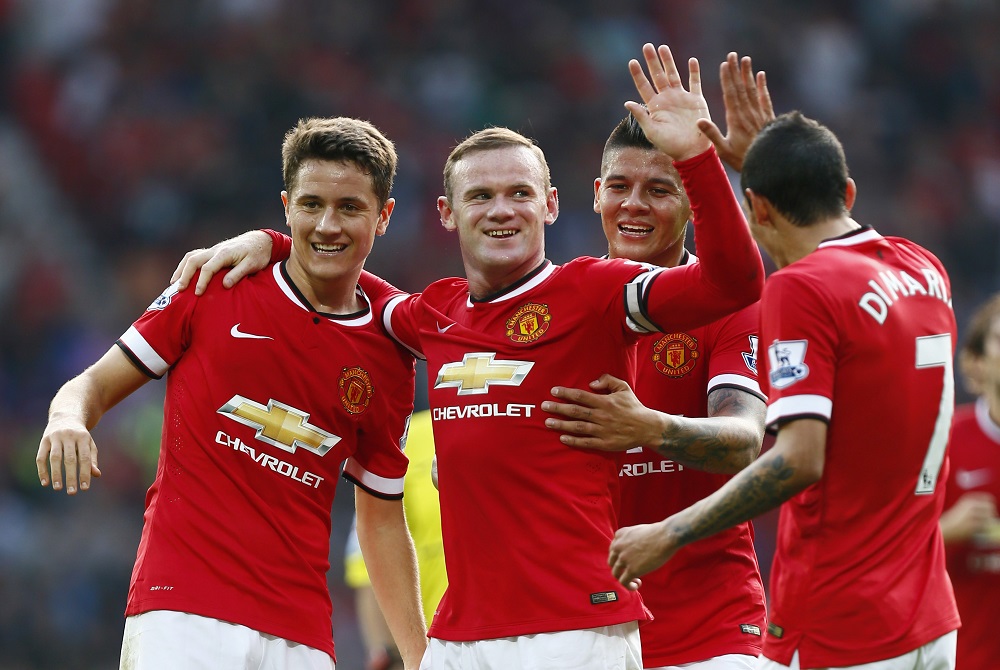
Machester United Launches Branded Casino Games


Machester United Launches Branded Casino Games

Manchester United and KamaGames have announced a global partnership and multi-year deal in which KamaGames becomes the official social games partner of the club.

A range of social casino games will be launched as part of the partnership, using United branding, including their logo and imagery.

KamaGames is a global developer and publisher of social games for mobile platforms, online, Steam, Xbox Live and PlayStation networks and claim to reach over 70 million users worldwide.

Richard Arnold, United group managing director, commented on the partnership: “Manchester United is lucky enough to have a huge global following and we understand the importance of engaging with and entertaining our fans.

“KamaGames and their innovative products will allow us to do this in new and exciting ways.”

KamaGames CEO, Danny Hammett, added: “KamaGames and Manchester United share a similar worldwide audience and, with this in mind, we are confident that the partnership will be a huge success for both organisations.

“We are proud and honoured to be associated with such a great team and iconic brand, and we look forward to building a strong relationship with the club and its fans.”

Seen originially at sportindustry.biz

DraftKings strengthens NBA portfolio

US-based fantasy sports operator DraftKings has further expanded its presence in the North American NBA basketball market after it entered into a partnership with the Minnesota Timberwolves.

Under the deal, the terms of which were not disclosed, DraftKings will become a presenting sponsor of the franchise’s TimberWolves Team Stats social media feature and the WolvesCast official team podcasts.

DraftKings will also benefit from a branding presence on digital courtside and basket stanchion signage during the team’s games at its Target Center home.

In addition, the operator will have a presence on the franchise’s official website and will activate a range of social media promotions in partnership with the team.

DraftKings will also introduce new ‘Live Like a King’ fan sweepstakes that will give supporters the chance to win VIP tickets to home matches as well as transport to and from the game, a custom team jersey, pre-match dinner, a pre-game bench sit and a centre court photo opportunity.

“Fantasy sports gaming is a huge and rapidly growing industry and is something that many of our fans are interested and engaged in,” Timberwolves senior vice-president and chief revenue officer Ryan Tanke said.

“This partnership and industry category opens up some great new opportunities to further connect and engage with our fans.”

Paul Liberman, co-founder of DraftKings, added: “We want daily fantasy sports to engage and electrify fans, and we’re looking forward to making that happen for Timberwolves fans by providing them with unique experiences and new ways to interact with the sport.”

The agreement marks DraftKings’ fourth partnership in the NBA, having already entered into similar deals with the Houston Rockets, Philadelphia 76ers and Boston Celtics.

The operator has also established relationships with North American NHL ice hockey league as well as NFL American football teams the Denver Broncos and the New England Patriots.


view source

NBA Commissioner to Chris Christie: Join Me to Expand Sports Betting

With both powerful men calling for expanded legalized sports gambling, NBA Commissioner Adam Silver is inviting New Jersey Gov. Chris Christie to join him in lobbying Congress to rewrite federal laws on the subject.

The NBA and the other major professional sports leagues are actually fighting New Jersey in court to enforce a federal ban on most sports betting outside of Nevada. That law has been in place for more than two decades.

But during an interview on ESPN’s “Outside the Lines” that also aired on the ESPN/ABC podcast “Capital Games,” Silver said that rather than fight New Jersey and other states, his league can work with them to establish a uniform federal structure that would acknowledge that sports gambling already takes place in many venues that are far from Las Vegas sports books.

“Governor Christie, and I’m happy to join him, should turn his attention to Washington, DC, to Congress, and say, ‘Here are all the reasons it should be regulated, but let’s come up with a framework that makes sense on a national basis presumably that would allow states to opt in,’ ” Silver told ESPN’s Andy Katz.

Silver broke with his fellow American sports commissioners last month by endorsing expanded legal sports gambling in a New York Times op-ed. He told Katz that his intention was to “break the ice” to have a real conversation on the subject.


view source

Indiana Lawmaker Introduces Sports Betting and DFS Bills

An Indiana legislator, State Representative Alan Morrison (R-Terre-Haute), has introduced two bills for consideration. One would legalize sports betting and the other would legalize Daily Fantasy Sports in the state.

“Gaming is something that this state has become extremely reliant upon, that revenue,” Morrison told the local Indy Star. “As it’s been trending down, it’s incumbent upon us to figure out how to fix it or to improve on what we have.”

The expanded gaming options proposed by Morrison would certainly act as a lifeline for Indiana’s declining gaming industry. However, his proposals will have to compete with more traditional “fixes” that have been talked about, including adding table games to the state’s racinos and moving the riverboat casinos onto dry land.

Sharp revenue decline

Trends In The Casino Industry — A Shift From The Las Vegas Strip To East Asia

The gaming at Las Vegas Strip peaked in 2007 with revenues of $6.83 billion. However, the figure declined to $5.55 billion in 2009. This can be attributed to the economic recession and consequent fall in consumer discretionary spending. The casino industry at the Strip was worst hit by the economic slowdown and it has still been unable to reach the pre-recession levels. Gaming in the region started to rebound since 2010 and the revenues grew to $6.50 billion in 2013. While this has led to a steady revenue growth for casino operators such as Wynn Resorts, Las Vegas Sands and MGM Resorts, the industry is experiencing change. We wonder if the Strip can see any significant growth in the coming years as other states have legalized the casinos, providing gamblers with plenty of alternatives. On the other hand, Macau has seen a rapid growth in gaming over the past few years and we believe it will continue to drive growth for casino operators in the coming years. Also, Japan could offer a big opportunity for the casino operators to expand in East Asia. On that note, we discuss below these three markets from gaming prospective and how is Wynn is expanding its casino operations.

Slower Growth At The Las Vegas Strip Gaming Market

Las Vegas Sands has two propertieson the Strip, The Venetian Las Vegas and The Palazzo. The casinos have a combined gaming space of 225,000 square feet. The casino revenues from these properties have increased from $431 million in 2011 to $584 million in 2013. Wynn Resorts also operates two properties in the region, Wynn Las Vegas Resort and Encore. These properties have 230 table games and 1,854 slot machines in 184,000 square feet of gaming area. The company’s Las Vegas casino revenues have increased from $534 million in 2010 to $683 million in 2013.

Looking at MGM Resorts, it operates 15 owned resorts in the U.S. The company offers more than 22,000 slots and 1,000 gaming tables in the region (excluding the slots and tables in JVs). Like other casino operators, MGM has also seen similar growth over the past few years with revenues increasing from $2.48 billion in 2010 to $2.60 billion in 2013.
However, the growth rate at the Las Vegas Strip has been much lower than the world’s largest gambling hub, Macau, which has seen gaming revenues increasing from $24 billion in 2010 to $44 billion in 2014. Las Vegas Sands and MGM have also seen their Macau casino revenues double over the past few years.

There are various reasons why Las Vegas Strip witnessed a slow growth over the past few years. As disposable income declined during the economic crisis, it hit the Strip harder. Meanwhile, other states legalized casinos, which further weighed over the casinos in Nevada. For instance, Pennsylvania legalized table games like poker and blackjack at casinos in a move to generate higher revenues. Similarly, the Delaware senate also passed a bill to allow table games. This had an adverse effect on the number of tourists visiting Las Vegas for gaming activities and we believe this trend will continue in the coming years. Thus, it does not make much sense for these three casino operators to expand in Nevada and accordingly they are bidding to build casinos in other states.

In September 2014, Wynn won the bid to build a casino resort just outside Boston. The company will build a $1.6 billion resort, which is expected to open in late 2017. Massachusetts Gaming Commission picked Wynn over Mohegan Sun primarily due to better paying jobs and Wynn’s plan to clean up the former industrial land at the development site. This is the third gaming license issued by the MGC. Earlier, it approved MGM’s casino in Springfield, and a Penn National Gaming slots parlor near the Rhode Island border. Wynn plans to develop an integrated casino resort at the 37-acre site on the Mystic River. The resort will comprise of a 500 luxury-room hotel, 140,000 square feet of retail space, eight restaurants, a 12,000 square feet nightclub, a five star spa, 150 table games and 3,000 slot machines.


view source

Leagues see real benefits in daily fantasy sports

Bud Selig once tried to warn the world about what would happen if legalized sports gambling spread to more states.

Instead of cheering for their favorite teams, the baseball commissioner predicted, fans would be more inclined to cheer for themselves to win money — a factor he said would harm his sport’s character.

“Players would not be viewed by fans as exceptionally skilled and talented competitors but as mere assets to be exploited for ‘fast money,'” Selig wrote in a statement submitted in federal court in 2012.

Two years later, Major League Baseball is singing a drastically different tune — and so are the NFL, NBA and NHL.

After all four leagues issued similar warnings in 2012, each sport is partnered up with two start-up companies whose business model relies on fans trying to make fast money every day based on player performance in games.

It’s called daily fantasy sports. It’s legal in almost every state. And its popularity is starting to soar, especially among young adult males.

But the recent rise in partnerships with this new industry marks a significant pivot point for these leagues that could have major ramifications for the future of American sports, various experts told USA TODAY Sports.

If the deals work the way the leagues hope, daily fantasy sports consumption will have a steroid effect on television revenue, because nobody watches live sports on television quite as intensely as fans with money at stake.

At the same time, such deals have led to conflicting, and certainly evolving, positions on the subject.

— In November, the NBA announced it had become an equity investor in FanDuel, a daily sports fantasy site that says it pays out $10 million in weekly cash prizes. Yet the NBA won’t allow its players or personnel to buy what FanDuel is selling — daily NBA fantasy games that pay out these prizes based on real-life player statistics.

“Our policy is that NBA personnel are prohibited from participating in NBA fantasy leagues that require payment of an entry fee or award prizes to participants,” NBA spokesman Tim Frank told USA TODAY Sports.

A day after the NBA’s FanDuel announcement, NBA Commissioner Adam Silver advocated for legalized sports betting in an editorial in The New York Times.


View source

Another College Adds League of Legends Scholarship Program for Competitive Gamers

The University of Pikeville has become one of the small number of American institutions of higher learning to add competitive gaming to the list of sports programs they offer scholarships for.

Yahoo! News spoke to coach and alumni Eric VanHoose, as well as Pikeville’s new media director Bruce Parsons, about the program, which plans to offere 20 scholarships for players matriculating in the Fall 2015 semester.

“It will be a regime a lot like athletics,” Parsons said. “[Students will] have to have a certain GPA. We’ll look at them like student athletes. There will be practice time and video time when they have to study other teams for upcoming competitions.”

Presumably players will also be held to certain standards of behavior in game and out, as are many student athletes in traditional sports. At least for their own sakes, if not so that they don’t run afoul of League of Legends‘ community moderators, who have not hesitated to ban professional LoL players for violations of their code of conduct. And, ladies, as a sport, the scholarships must obey Title Nine rules, so apply, apply, apply.


View source

Atlantic City Ready for a Better 2015 to Begin

BIG:Y;ears from now (and even today) when U.S. gambling historians examine 2014, they will quickly find that it was a terrible year for Atlantic City.

Four casinos closed, an eighth straight year of decreasing revenue, and an online poker and gambling regime in its first full year that went through considerable growing pains and continues to perform at revenue levels less than expected. The Showboat, Atlantic Club, Trump Plaza and Revel shutdowns put 8,000 employees out of work, while the future of the Trump Taj Mahal remains questionable.

It’s no secret that New Jersey officials are anxious to throw away that 2014 calendar and turn the page to what is expected to be a better year in 2015. How will it be better? Well, to borrow a line from John, Paul, George and Ringo, “it can’t get more worse.”

What can we expect?

The 12 Biggest Poker Stories of 2014: #12 Sportify Poker

Poker entrepreneur Alexandre Dreyfus debuted a number of new ideas and initiatives during 2014.

Dreyfus announced the formation of a professional poker league called the Global Poker League and a companion event dubbed the Global Poker Masters where teams of players compete for their country a la the Ryder Cup.

2014 Also saw the expansion of the long-running European Poker Awards, with the announcement of a second award banquet, the aptly named American Poker Awards. Both award ceremonies will be preceded by the inaugural Global Poker Conferences – another Dreyfus creation.

Dreyfus also unveiled a new news website called PokerToday.us and continued to increase the reach of the Global Poker Index, the Hendon Mob, and the company’s Fantasy Poker leagues.

The Reality of Poker on TV, Gambling, Wagers and Amounts Won

pokertv

When you see a poker reality show, are you amazed by the amounts of money involved? Does it seem like poker pros must be worth tens of millions of dollars to be playing in $100,000 high roller events and the million dollar One Drop? The most well-known professional players seem to have an infinite amount of money and they don’t seem terribly attached to their cash when you see the prop bets they make in front of television cameras.

We all know that reality shows on television aren’t exactly real. Some are scripted, and others just reward certain behaviors with camera time to encourage those behaviors, and the reality stars learn quickly what will earn them camera time and more money. I like to suspend my disbelief sometimes and forget that Bear Grylls has a camera crew nearby to help him if he needs it, but when it comes to poker on television, I have trouble.

Let’s start with a story

A few years ago I was in Las Vegas with my friend and coauthor Adam Stemple. We were eating at a Subway inside the old O’Shea’s and there were beer pong tables just over a waist-high wall from where we were eating. Of course, we started betting on the participants in the games. How else are we supposed to pass a whole five minutes while we eat our subs? We needed action!

Adam and I are not big gamblers. We’ll lay down a bet here and there, but we aren’t like a lot of poker pros who behave like they hate money on a daily basis. We were betting $10 a shot on the beer pong game, but we were in Vegas to play poker so we each had a few thousand dollars with us.

“Let’s kick the stakes up a notch for the kids,” Adam said.

We’ve been friends a long time. I knew exactly what he meant. When the next shot was a miss, I swore loudly and handed him $500, clearly within the sight line of the competitors. A college girl, couldn’t have been more than 22, came walking over and asked us if were betting on their game. We told her that we were and she asked what the stakes were. When we told her we were betting $500 a shot, she looked like we had just told her that we were betting our lives.

When she returned to take her next turn, she told everyone at the table that we were betting $500 a shot. They looked surprised, but there wasn’t real shock until she made her next shot and Adam handed me back the same $500 I had given him a minute ago. Seeing the hundred dollar bills exchanged had them all wide-eyed. Five bills is a lot of money to a college kid in Vegas for the weekend, trying to get drunk on $30 a night and splitting a hotel room five ways.

We kept this up for a few minutes while we finished our subs, and a couple of the other competitors came over to talk to us. We mostly told them the truth. That we are poker pros in town for a tournament series, that we were betting on their game, and that we would bet on almost anything. What we lied to them about was the stakes we were playing for.

It’s Mostly Harmless

It was not just a harmless lie, it was for their entertainment as well as ours. They had a neat experience in Las Vegas, met a couple big gamblers, and had real money riding on their performance in one of the dumbest games ever invented. They definitely went home with a story to tell their classmates, and they are probably still telling it. Why wouldn’t they, it’s a great story. And everyone who hears it believes that there are people who will bet $500 on the toss of a ping pong ball.

I’m not saying that there aren’t people who would bet $500 on the toss of a ping pong ball into a dirty cup of beer, but I can tell you that it wasn’t happening that night. You can probably guess where I’m going with this. In many cases, the huge games you hear about just aren’t quite as big as they seem.

Is a million dollar buy-in cash game really a million dollar buy-in? Probably. The participants do likely have to put up a million dollars to play. But if they all swap action, then there isn’t really much risk. Even if only three or four of them swap 10% each, it cuts down on variance drastically. And many of those players have backers or have sold a significant amount of action in those games.

If a player sells 75% of his action, and swaps 5% with two other players, then the buy-in is really only $150,000 for him. If he has a backer, or sells all of his action, then he may not have any money invested at all. And what if an investor buys 50% of every player? What if that investor is associated with the television network and is simply cutting the stakes in half so that the players can afford to play. When does it become deceptive?

In my opinion, it’s television. When you watch something on screen, you should know that it can easily be manipulated and that you are only seeing what they have chosen to show you. I know a player who recently played on a poker broadcast who sold action on Facebook. It’s clearly not being kept a big secret, they just don’t mention it on the broadcast. I don’t think it’s wrong, just interesting.

This is reflected in all kinds of things that civilians, people who aren’t serious about poker, believe about our game. They think Antonio Esfandiari has actually won $26,000,000 in tournaments and must have mountains of cash. I’m sure Antonio is doing just fine, but he has basically admitted that he didn’t have all his own action in the One Drop, and estimates of his percentage are as low as 10%.

But I Thought that Guy was Rich?

When you count buy-ins and backing, some of the biggest names in poker who have millions in tournament “winnings” may not even be up significantly. Most of them are way up, and most of them are truly great players, but don’t believe the numbers you read online, they aren’t related to “reality” any more than the things you read about Kim Kardashian in the tabloids or the junk you can watch about ancient aliens on television. Just because someone says it doesn’t mean that it’s true. Even if you watch it happen on television, it doesn’t mean that the money really changed hands in the quantity that the cameras presented.

Is this good for poker? I’m not sure. I know that it keeps people interested, but I think people would be interested in the biggest buy-in events even if the entry fee was only $10,000. That’s a pretty big cash game to me. I also know that it’s not going to change. Selling action is a smart thing for many players, and I often sell action myself. In my bracelet win this summer, I had less than half of my own action.

There are debates about players trading action because it can influence how they play against each other, but there isn’t much to be done about that. Players can trade action without telling anyone and there is simply no way to verify that players don’t have a portion of another player’s action. Other than being conscious of the fact that some players in any major tournament will have traded some action, there is nothing to worry about. Just don’t let yourself be deceived into thinking that all of the numbers you see reflect reality when they may only reflect reality television.


New Jersey Law Would Require All Online Gambling Software Providers to Have a Casino License

Law Books

New Jersey Assemblyman and noted anti-online poker advocate Ralph R. Caputo is currently sponsoring a bill (Bill) that would make it illegal for any “Internet gaming affiliate” (Affiliate) to operate in the state without first obtaining a casino license.

It also stipulates that this licensing requirement could not be waved under any circumstances.

If passed, the Bill will remove the streamlined approach currently undertaken within the New Jersey Division of Gaming Enforcement (NJDGE) itself and instead subject Affiliates to the additional scrutiny of the NJ Casino Control Act (Act) and by extension the New Jersey Casino Control Commission (Commission).

The vote to pass the Bill out of the Tourism, Gaming and the Arts Committee was unanimous and it could now go to the full chamber for a vote.

Why Have One Sentence of Regulation When You Can Have Ten Pages Of It?

Currently, affiliates are required to obtain a “Casino Service Industry License” through the NJDGE. Affiliates seeking to partner with land-based casinos must meet the following NJDGE standard to be granted a license:

Q:Personnel/qualifiers must demonstrate good character, honesty, and integrity as well as financial stability, integrity and responsibility. Qualifiers must not have engaged in any conduct that is prohibited by Section 86 of the Casino Control Act.”;

This is a much less onerous burden of proof than the ten pages of regulations which the Commission has for granting a casino license – most of which merely serve as an outline/guide to the myriad of forms and declarations required of applicants.

Additionally, the Bill would add layers of regulatory oversight by keeping the NJDGE in its current role as an investigatory body for applications, while removing its ability to make a final decision on them by transferring that authority into the hands of the Commission itself.

Third Party Software Essential to the Industry

The potential for regulation to be ratcheted up is definitely a cause for concern amongst Affiliates. However, they are not the only ones who will be sweating the Bill as it moves through the legislative process.

Land-based casinos generally have zero background in running online gaming and therefore currently rely on partnerships with experienced Affiliates to successfully enter the market. This Bill threatens to severely complicate (if not entirely destroy) this model, raising the specter of a severing of the link between name-brand properties and Internet customers.

Given that revenues from online gaming have been far below projections, it is unlikely that a casino such as the Borgata will make the investment necessary to remain open if it can no longer easily partner with an experienced Affiliate such as PartyPoker. The much likelier scenario is that it will simply exit the market altogether, forgoing the revenue generated under the current system.

Therefore, the Bill could seriously undermine – if not destroy – the fledgling NJ online poker and gambling industry. That’s why serious opposition to it can be expected from land-based casino interests in the state.

In Case You Didn’t Know There Is This Company Called PokerStars

It seems as though no discussion about the regulation of online poker in the US is complete without at least a tangential reference to the possible return of PokerStars to the market.

Caputo is known to be anti-online gaming generally, but is especially vocal in his condemnation of PokerStars due to the indictments facing former owner Isai Scheinberg.

It is therefore likely that his sponsorship of this Bill is primarily aimed at ensuring PokerStars does not have a backdoor into the NJ market that would allow the company’s previous run-ins with the US Department of Justice (DOJ) to be downplayed or forgotten.

Interesting to note on this point is that by requiring Affiliates to apply for a casino license, the Bill would also subject them to a provision of the Act which says the Commission may consider “undue economic concentration in Atlantic City casino operations.”

Given the fact that four Atlantic City casinos have already shuttered their doors this year alone, this provision could theoretically be used as a “fail-safe” to ensure that even if PokerStars could successfully argue its sale purged the company of the taint of illegality, grounds for denying it a license without facing a serious court challenge would still exist.

Whether or not that is a deliberate calculation on Caputo’s part or just a coincidence remains to be seen.

The Waiting Game

The casino properties in the state have as much interest in running an online card room as 888 has in operating an Atlantic City casino. The relationship between land-based and online gaming providers is a mutually beneficial one that the industry will fight very hard to preserve.

While the Bill has only passed out of committee, it is still something that will be closely watched by the industry and the poker community.